What can you do at Home:
“Every year, UK homes throw away around
6 million tonnes of food and drink.”
That’s around
88 kgs per person!
Wrap 2022, Household Food & Drink Waste Report.


What is Your Council doing?
Warm Homes for Leeds: Our Big Investment
Leeds City Council is on a mission to make every house in Leeds cosy, healthy, and cheap to run. We are doing the "heavy lifting" so you don’t have to, by upgrading thousands of homes with the latest green technology.
Since 2021, the Leeds City Council has been working through a massive £100 million plan to fix the oldest and coldest homes in our city.
The Result: We have already spent over £60 million on finished projects!
The Impact: Thousands of families in areas like Seacroft, Armley, and Little London are now living in warmer homes with lower energy bills.
The Heart of Holbeck:
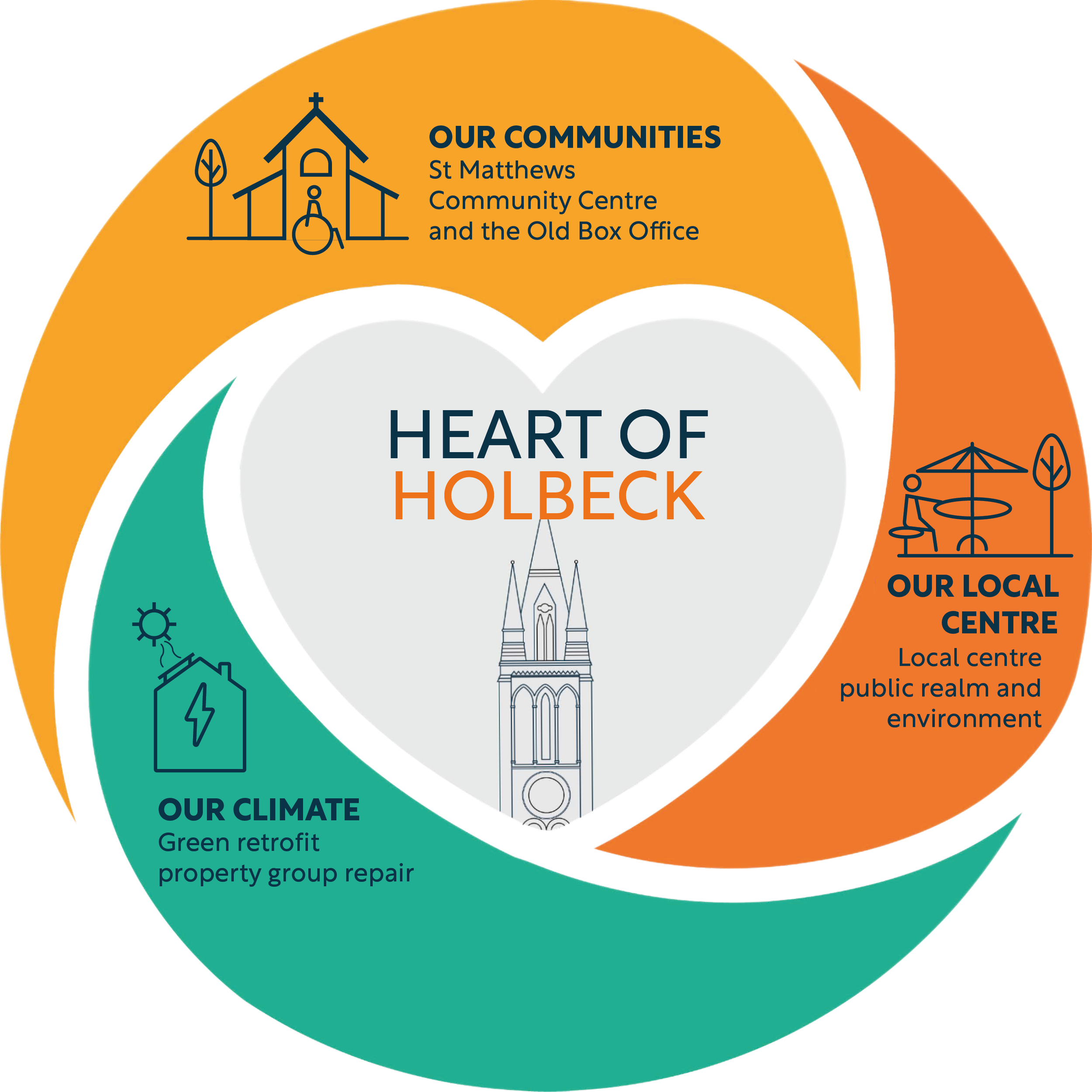
In January 2026, we launched our most exciting project yet: a £15.9 million transformation of the Holbeck community.
What’s happening in Holbeck?
The "Winter Coat" Upgrade: We are "wrapping" hundreds of traditional terrace houses in high-tech external insulation. It’s like giving the whole street a brand-new, warm winter coat that keeps the heat from escaping.
Smart Energy: Homes are getting new windows, better roofs, and even solar panels to help residents create their own free, clean power.
A Greener Neighbourhood: We aren't just fixing the houses; we are also improving local parks and paths to make the community a beautiful, green place to live.
The Benefit: Residents in these upgraded homes can save hundreds of pounds a year on their heating, making life easier and the city greener.
Leeds PIPES:
What it is: A massive, 30km network of underground pipes that carries heat and hot water directly into homes, businesses, and city buildings.
How it works: It uses heat created by Leeds’ non-recyclable waste instead of burning fossil fuels like gas. It's a "circular" system that turns your black-bin rubbish into warmth for your own home.
The Big Impact: So far, over £70 million has been invested in the network. In 2025 alone, it saved 7,058 tonnes of carbon and helped create 430 green jobs for local people.
The Benefits: Residents get more reliable, affordable, and low-carbon heating, leading to lower energy bills and significantly less waste going to landfill.
The Brown Bin Food Revolution:
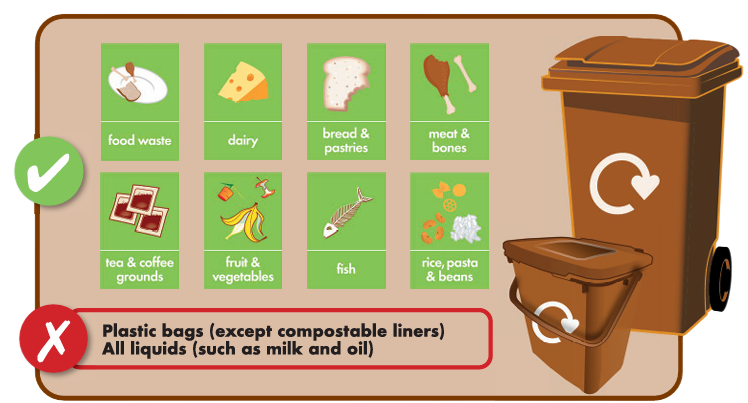
What is it? Leeds City Council has launched a brand-new trial to change how we deal with food waste. For the first time, families in the trial area can put their food scraps—like vegetable peelings, leftovers, and even tea bags—directly into their brown garden waste bins.
How it helps our city:
Winter Pickups: To make this trial work, brown bin collections are staying active all through the winter in these areas, so you never have to wait for a pickup.
Turning Scraps into Soil: Instead of food rotting in a landfill, it is collected and turned into high-quality compost for local farms to help crops grow.
Easy at Home: Every household in the trial receives a free kitchen caddy (a small indoor bin) and compostable liners to make collecting scraps simple and clean.
The Big Number: Leeds already sends less than 0.2% of its waste to landfill—one of the best records in the UK! This trial is the next step toward making Leeds a "Zero Waste" city by 2030.
Am I eligible for the 2026 trial? The trial is currently running for homes in the North East of Leeds. You are part of the trial if you live in:
Wetherby & Collingham
Boston Spa & Bramham
Thorp Arch, Clifford, and Walton